Samye Ling is a Buddhist monastery in Scotland.
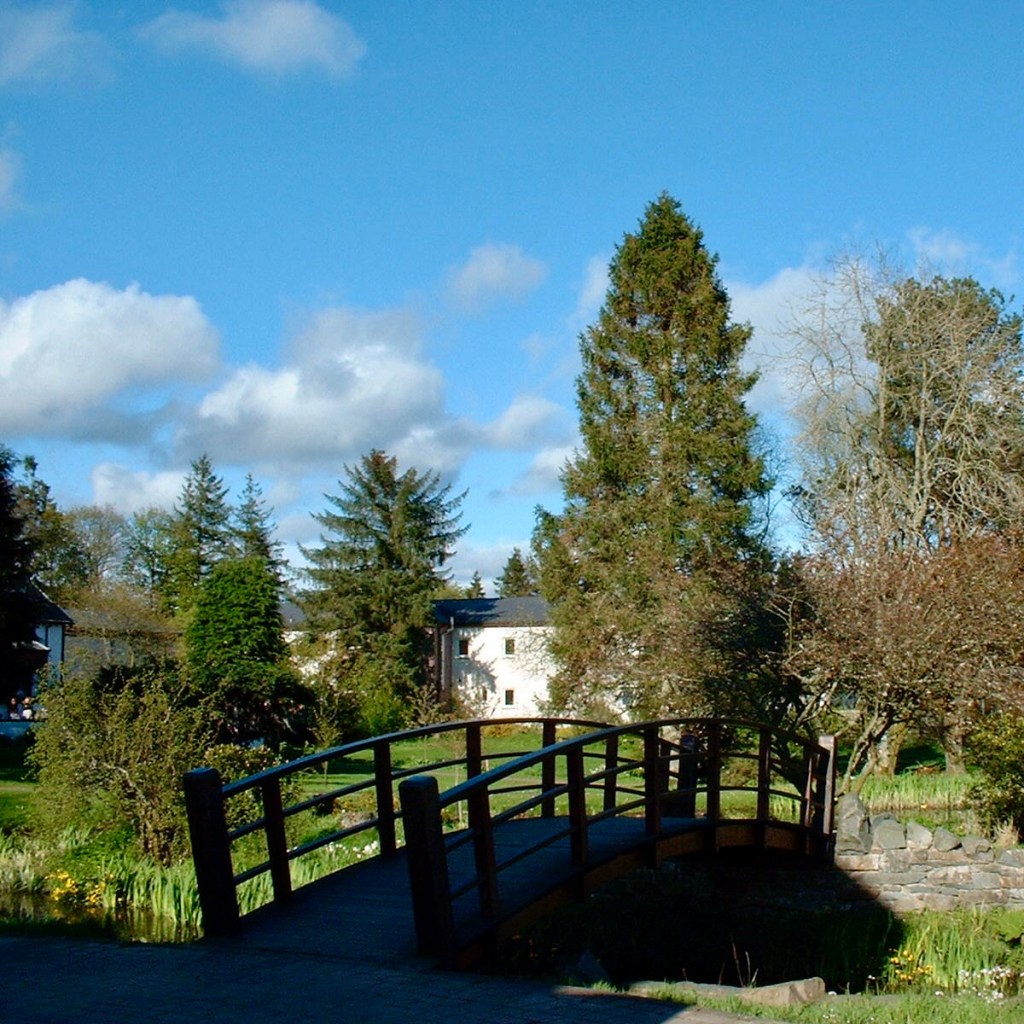
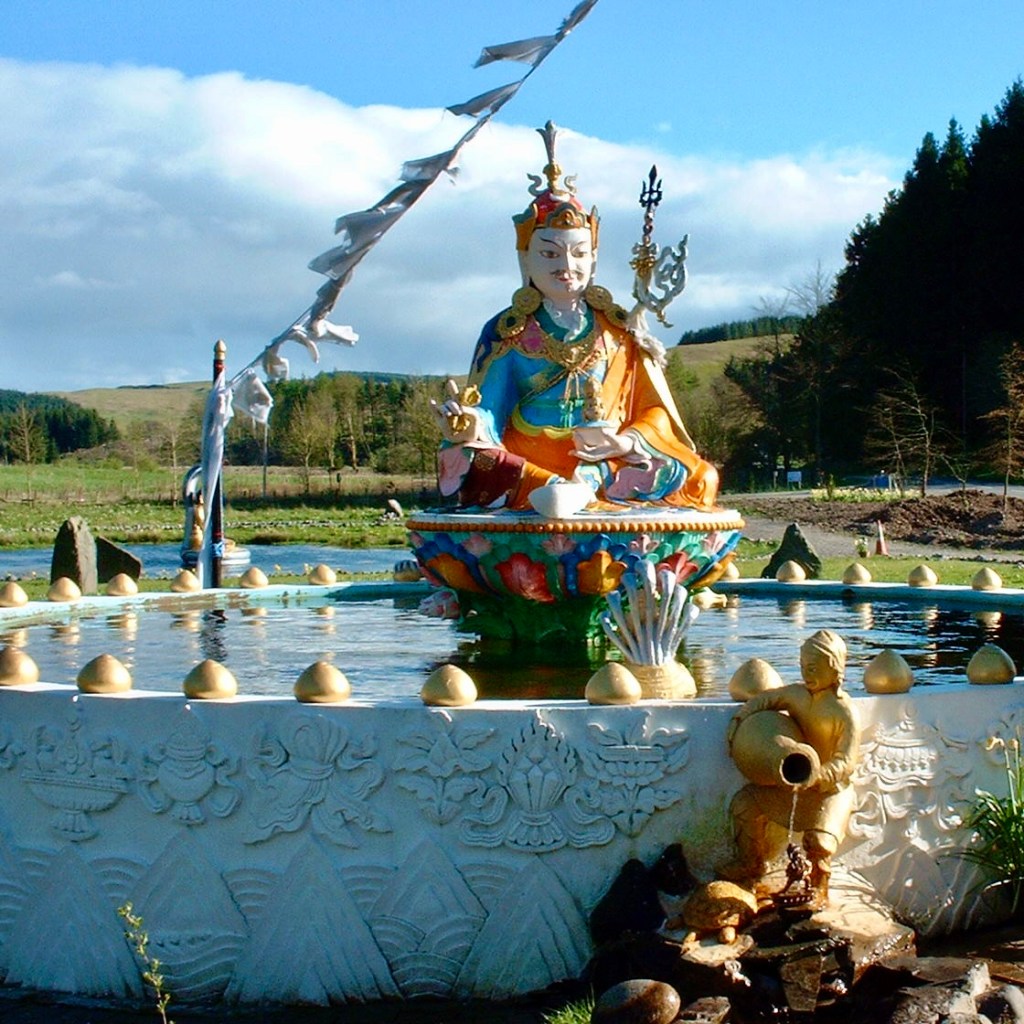
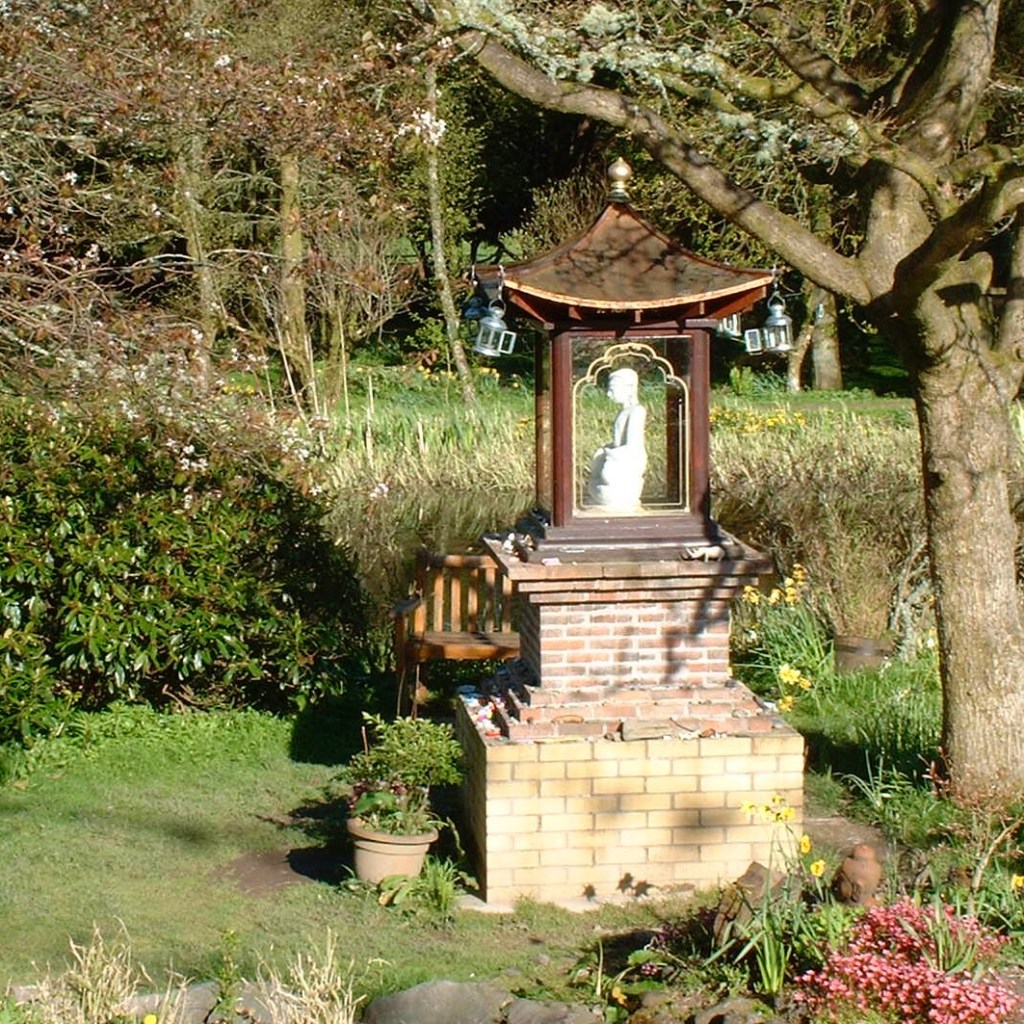
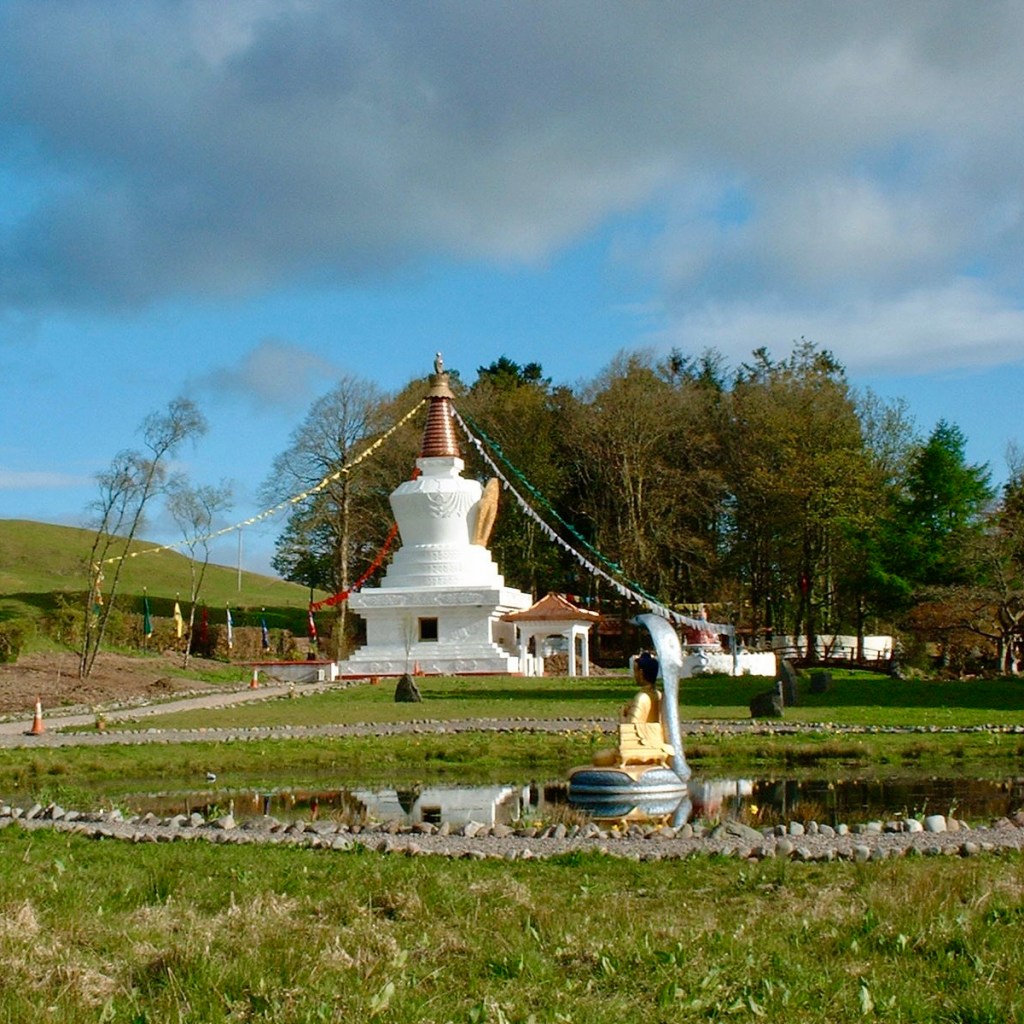
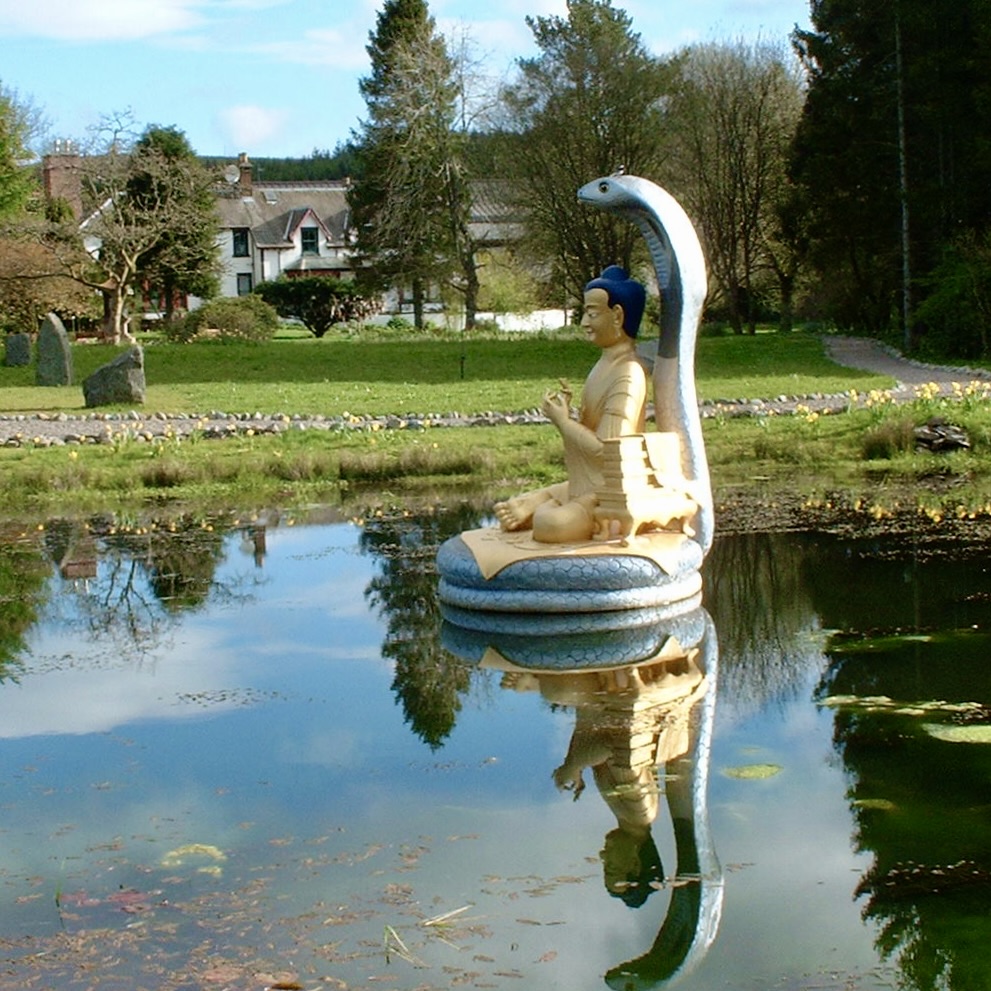
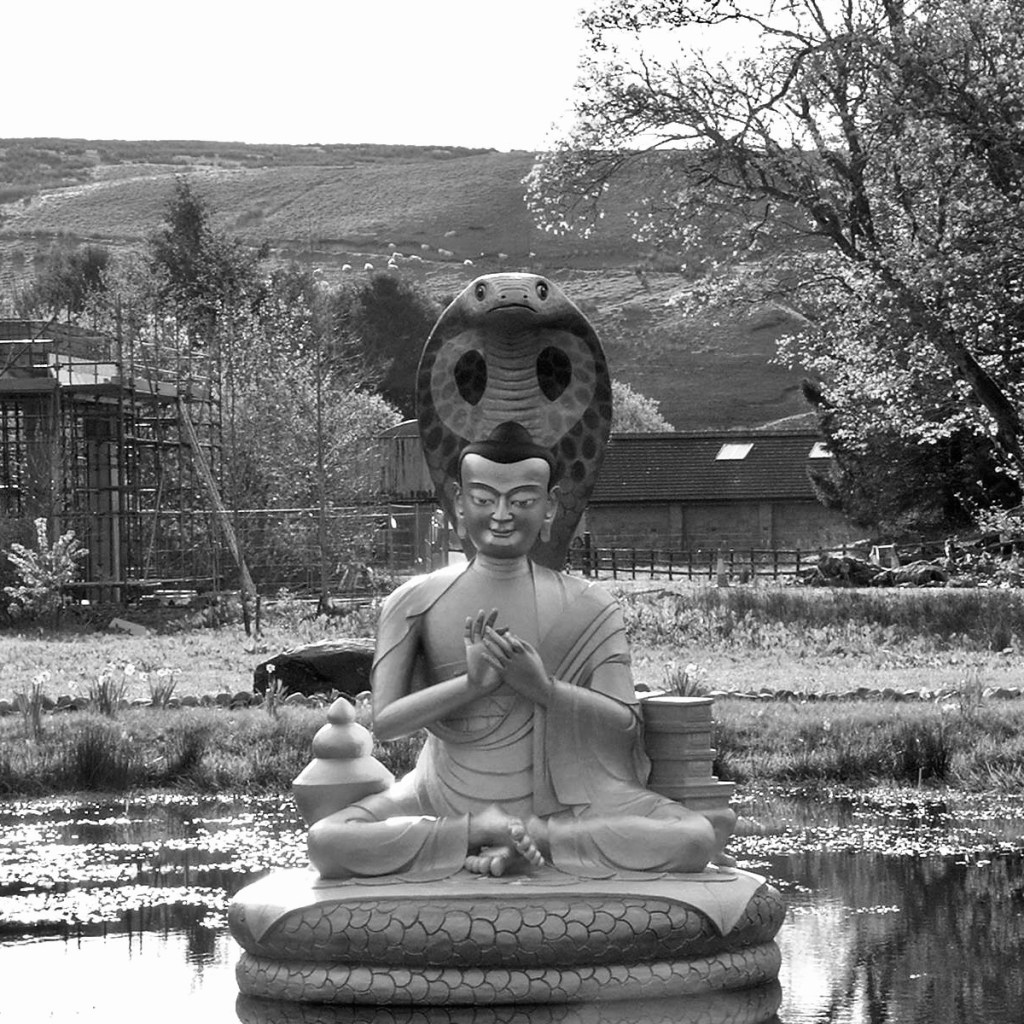
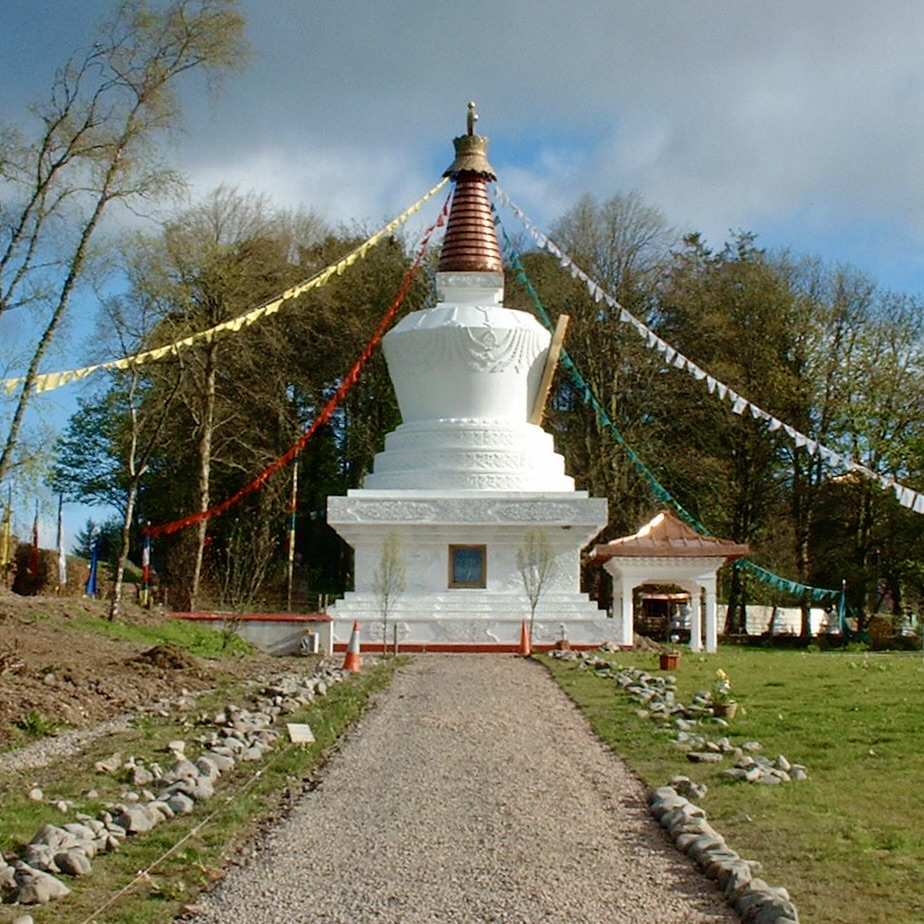
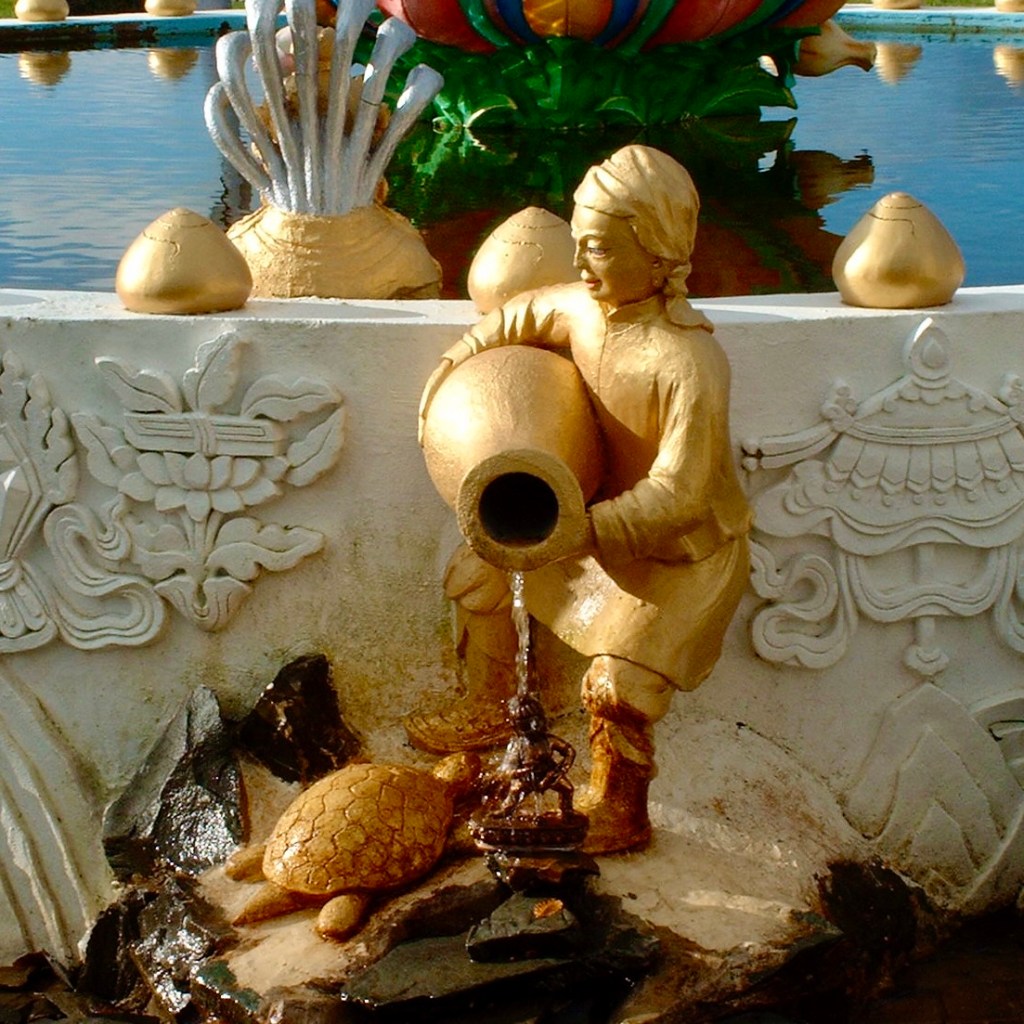
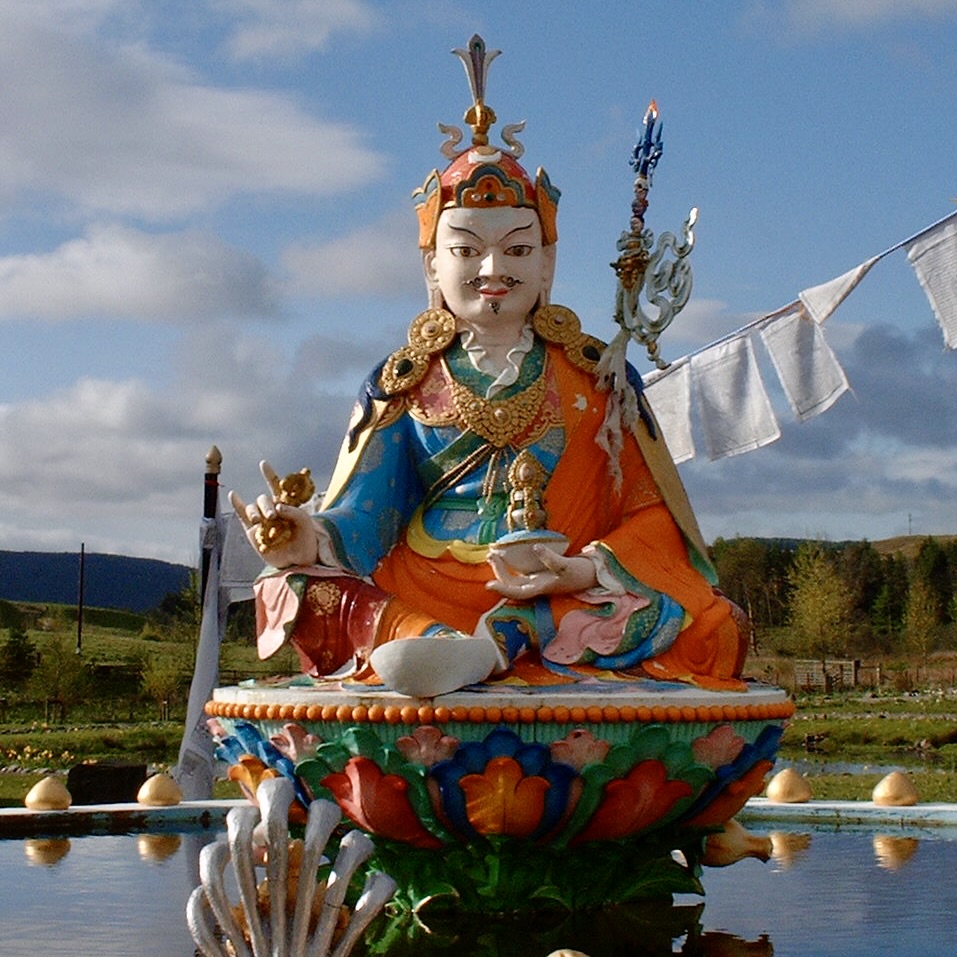
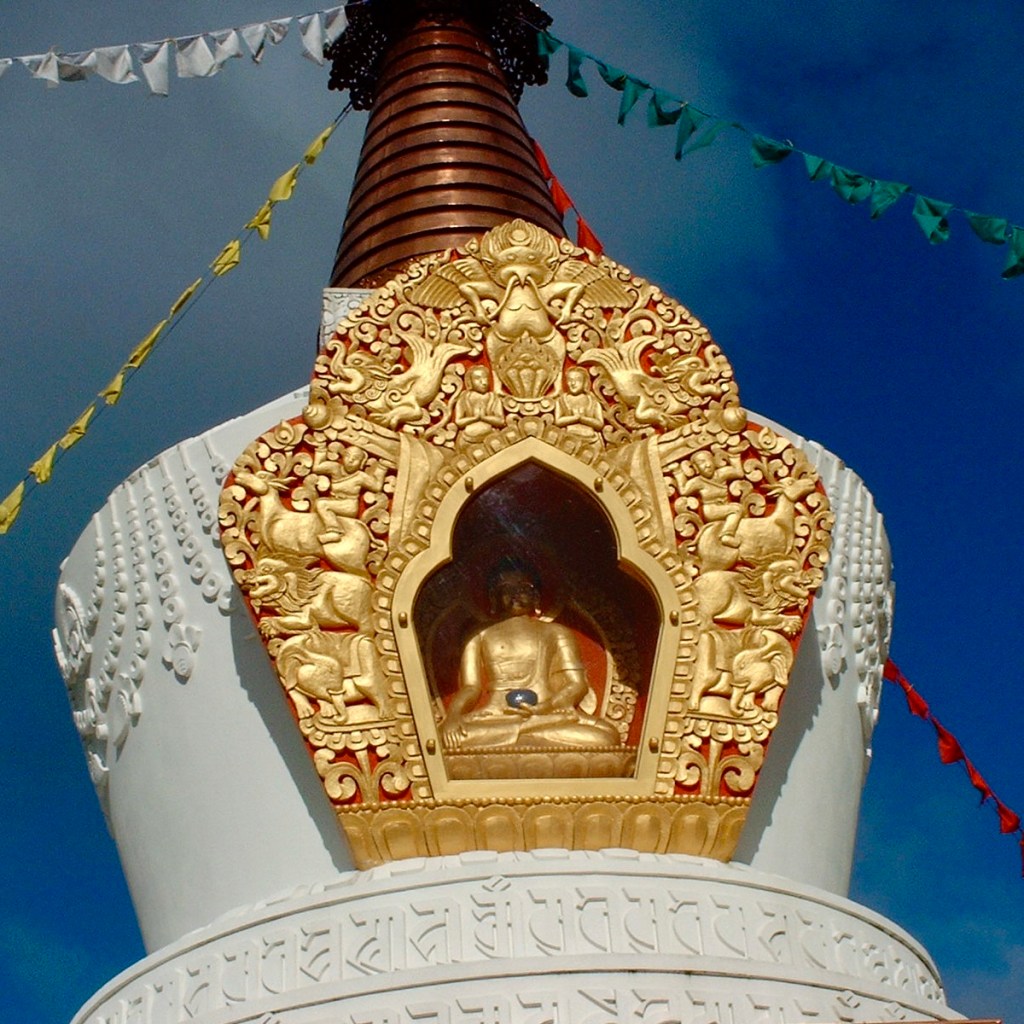

Samye Ling is a Buddhist monastery in Scotland.
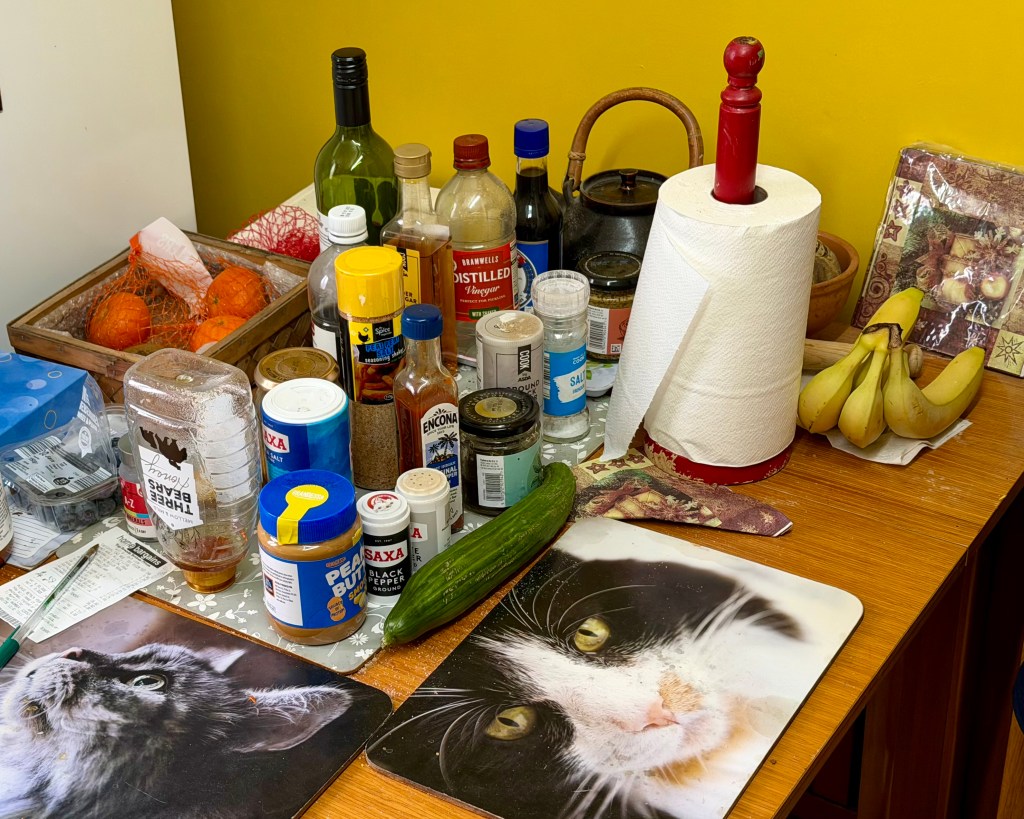
Our kitchen table. Have a great day!
What are your favorite sports to watch and play?
I like to watch women’s football (soccer). England has a great team – real champions, they are.
No to the pit. Go to school. Work for the council. War declared. Get the letter. Train for war. Carlisle, Banbury, Norfolk. Ship to Bombay. Then overland, overland. Camp in the east. Burma bound. Jungle trail. Admin box. March, march! Fall in a trap. Sharp bamboo. Medivac. Malaria, malaria. Hospital. Work as an aid. Lemonade. Atop a hill. Sky is blue. Inner peace. Fall in love. Chang! Help a brother. Klang! Bury the dead. Then Singapore. Ship of war. Homeward bound.

My dad is front left. After the war he became a Buddhist.
What would you do if you won the lottery?
There’s a wonderful Tibetan monastery in Scotland, called Samye Ling, which is Buddhist. It’s open to visitors and you can go there on a retreat. If I won the lottery, I’d set up a Christian version of that. Somewhere for respite and healing – a peace institute.
Woke up early. Made a pizza for later. Went back to bed. Woke up at midday. Don’t feel guilty. I have a cold. Made dinner out of pork chops with mashed potatoes and peas. Washed pots by hand. Have a beer and watch Roman Holiday with missus. We go for a walk to the local cemetery. Come home and watch A Place in the Sun. Play Scrabble on the iPad. Read some book. Have a nap. Watch news on TV. Take meds. Go to bed.
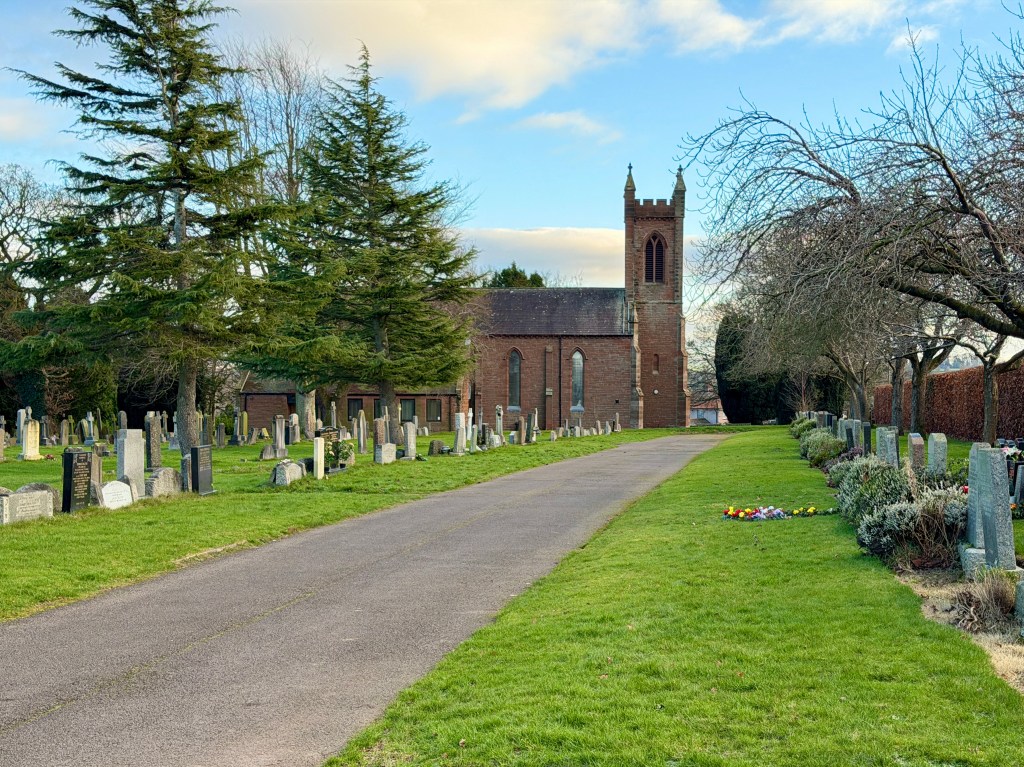
My wife, Mrs Shubunkin, and I like to visit cemeteries and graveyards. I am conscious that this is an unusual hobby, and a minority interest subject.
Before I met Mrs S, she had written a 14,000-word dissertation on our local cemetery, as part of a heritage management course she’d taken. She’s been offering a significant amount of money for the rights to the manuscript. She isn’t selling.
We like to visit churches on our travels, and the UK is an embarrassment of riches when it comes to churches and cathedrals. When we visit churches, we usually have a look around the churchyard. We also like to visit secular cemeteries.
We have visited graveyards and cemeteries in several countries; in France, the Netherlands, Greece, Türkiye and Australia. Cemeteries are quiet and peaceful places. Next month, we will be staying in an hotel which is situated next to a cemetery. We are going to express a preference for a room on the cemetery side of the building.
I have never felt spooked in a cemetery. I believe there’s more to fear from the living than the dead.
So, what, you may ask, is the interest. It falls into two parts. One is historical. There’s a huge amount of history to discover. And the second part is anthropological; you can tell a lot about a culture by the way it treats its dead.
But sometimes it just nice to sit peacefully on a bench, perhaps eating a ham sandwich and drinking from a flask of tea.
What books do you want to read?
“Gödel, Escher, Bach: An Eternal Golden Braid (GEB) is a 1979 Pulitzer Prize-winning book by Douglas Hofstadter that explores the common themes in the work of mathematician Kurt Gödel, artist M.C. Escher, and composer Johann Sebastian Bach. It investigates how cognition and consciousness emerge from hidden, self-referential mechanisms (recursion) in both minds and machines.”
I had a chance to read it 40 years ago, but passed over it because it is rather a thick book and dense. It’s no excuse. Now I have it on order.

My dad was a practising Buddhist; my mum was confirmed in the Church of England. I became a Christian in 2007. Sometimes you must choose one path or the other.
In the New Testament, Jesus says, “I am the way, and the truth, and the life. No one comes to the Father except through me” (NIV).
However, I believe we can benefit from other faiths, and it can be done without diluting our faith. Here are some examples:
• Mindfulness and “everyday mind” (from Buddhism)
• Effortless effort and Wu Wei “going with the flow” (from Taoism)
• Meditation and contemplation (Buddhism)
• Gentle exercise “Tai Chi” (from Taoism)
• Yoga “PraiseMoves” (Hinduism)
• Generosity (Sikhism)
• Ethical conduct (Judaism)
• Tolerance (Islam)
There are likely others that I haven’t thought of. Maybe someone who has studied comparative religion would know more.
If you can add to this list, please comment below.
